We often think of empathy as something we do: find the right words, show we understand, offer comfort. Marshall Rosenberg pointed to something quieter and far rarer. In Nonviolent Communication, empathy is not a technique. It is a quality of presence.
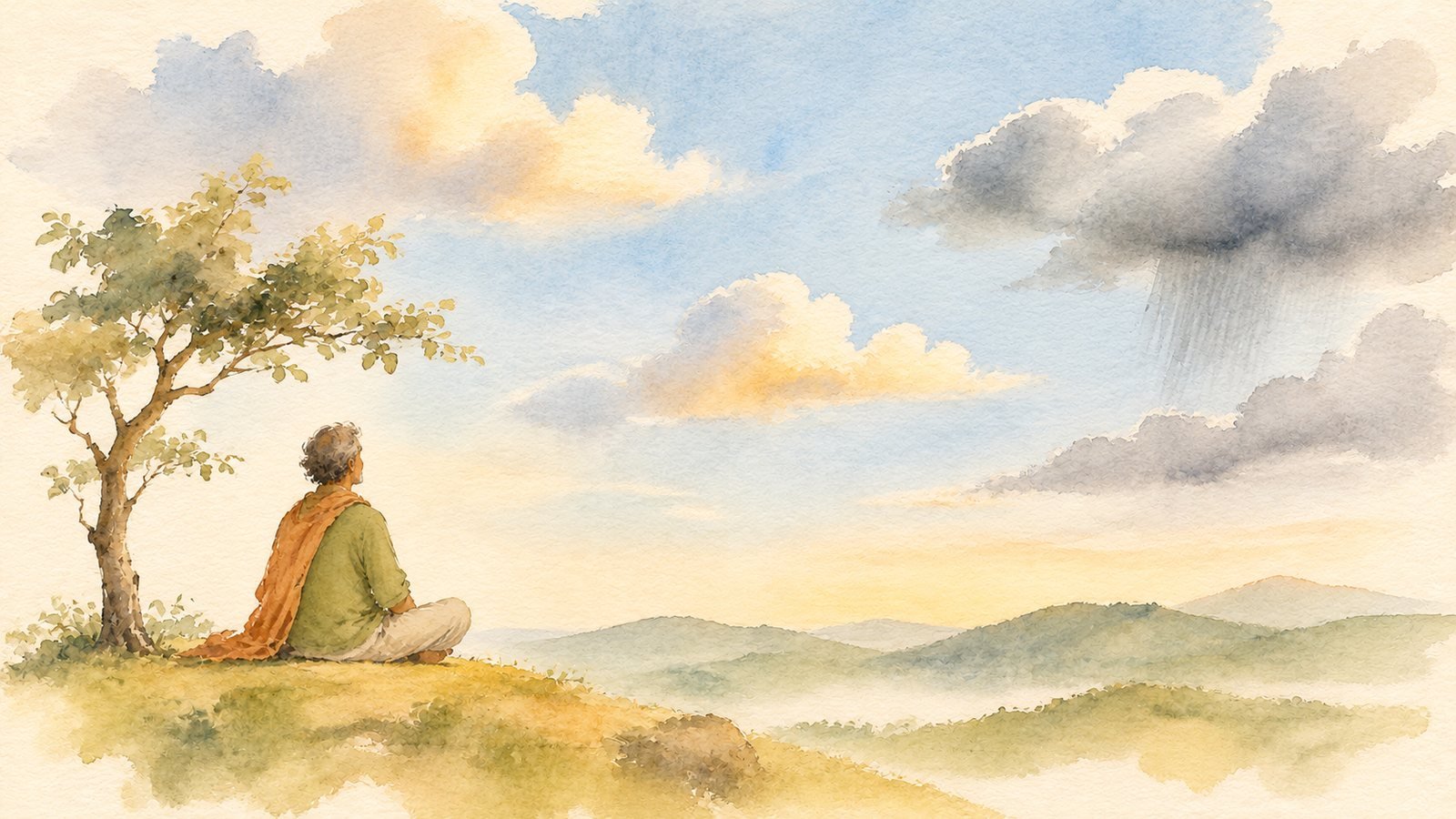
Some years ago, my father collapsed and was rushed to the hospital. On the way there, my heart was pounding, and I told it to stop, the way you stop a bell with your palm before it has finished sounding. By the time I walked through those doors, I was steady. I was extremely useful that night. I was useful for a long time afterwards.
The grief waited for years. When it was finally allowed to move, it happened in the presence of someone who did not try to fix anything:
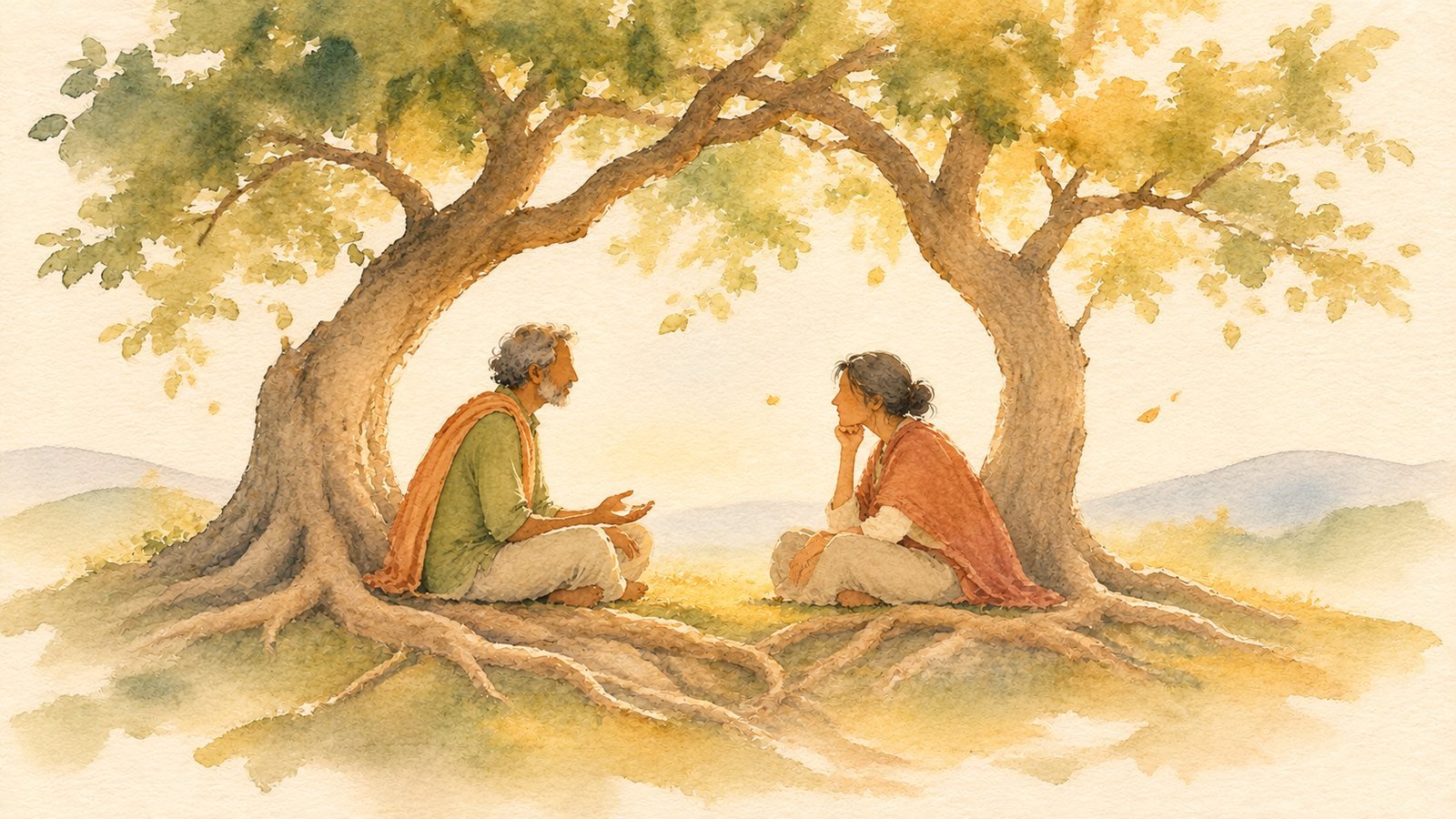
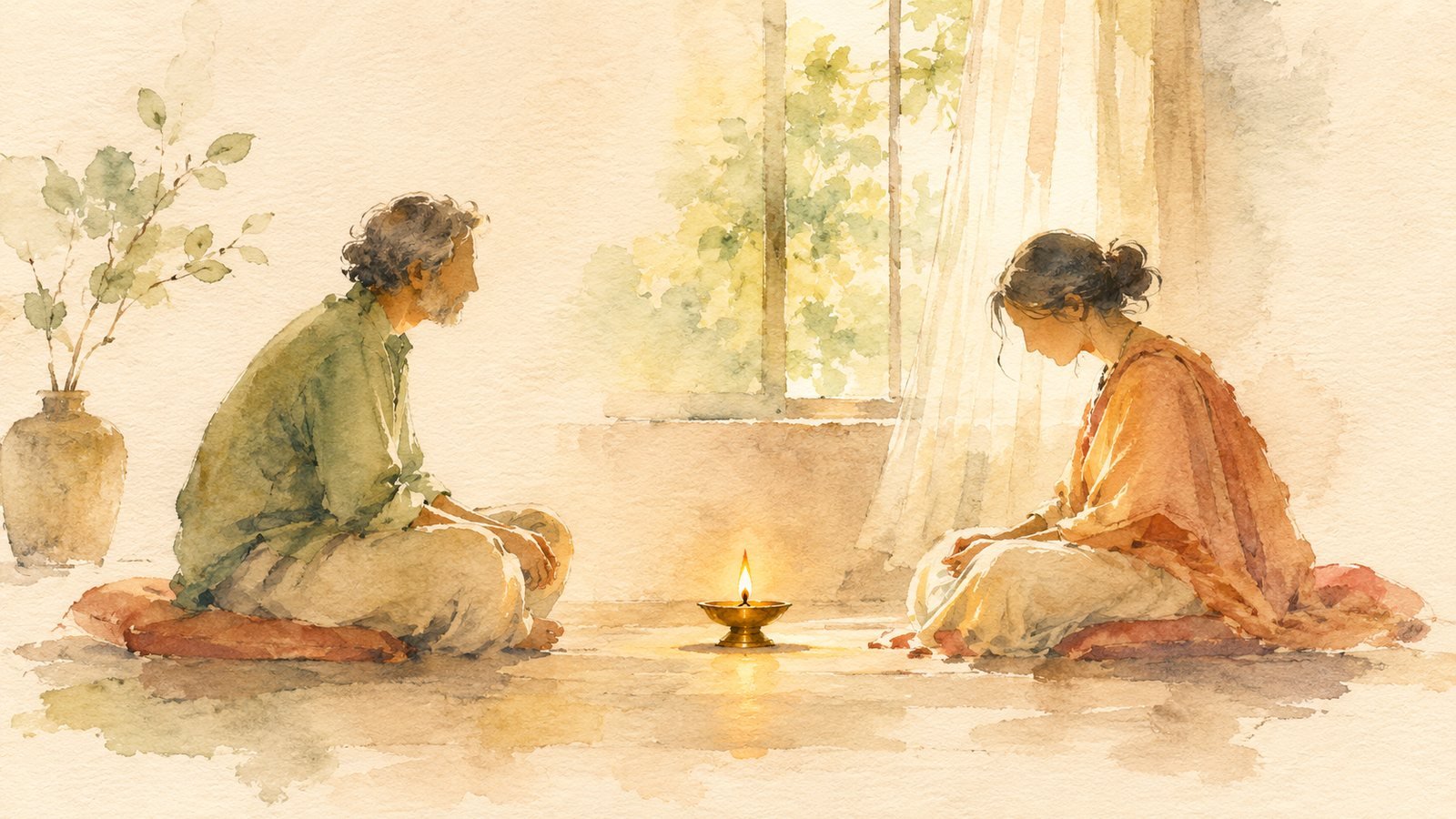
Their eyes did not leave mine. Their face did not perform sympathy, discomfort, or any of the small ways we usually try to manage another person’s pain. As far as I could tell, they were simply there.
Empathy, in this sense, is not sympathy, pity or advice. It is a quality of presence that meets another person where they are, without trying to move them somewhere else. It does not need them to feel better. It does not need anything from the encounter.
The Indian traditions held this quality as sacred, and gave it a word usually reserved for meeting the divine: Darshan, the blessing of seeing and being seen. Before a teacher or sacred image, the devotee is not inspected or assessed, but received.
I did not understand, before that afternoon, why a tradition would use the same word for a temple encounter and an ordinary act of listening. I understand it now.
A second word deepens this: Anukampa, the heart trembling in response to another, like one string beginning to vibrate when another string is played. This feeling-with arises not from effort but from the absence of agenda. Nor is it self-erasure. The listener remains grounded enough to enter another’s pain without being swept away by it.
Here lies the spiritual heart of empathy. In that hospital corridor, I had mistaken rescue for presence. Empathy asks us to set down the urge to rescue, to resist closing the uncomfortable space another’s pain opens between us, and to trust that presence itself is the gift. Sometimes the most profound thing we can offer is simply this:
I am here.
I am not going anywhere.
You do not have to carry this alone in front of me.
This is Darshan: not something reserved for temples or teachers, but a possibility in an ordinary room, on an ordinary day, between two human beings.
This article is drawn from my book Spiritual Heart of Nonviolent Communication: Tracing Its Roots in the Ancient Wisdom Traditions of India, now available on Amazon.